
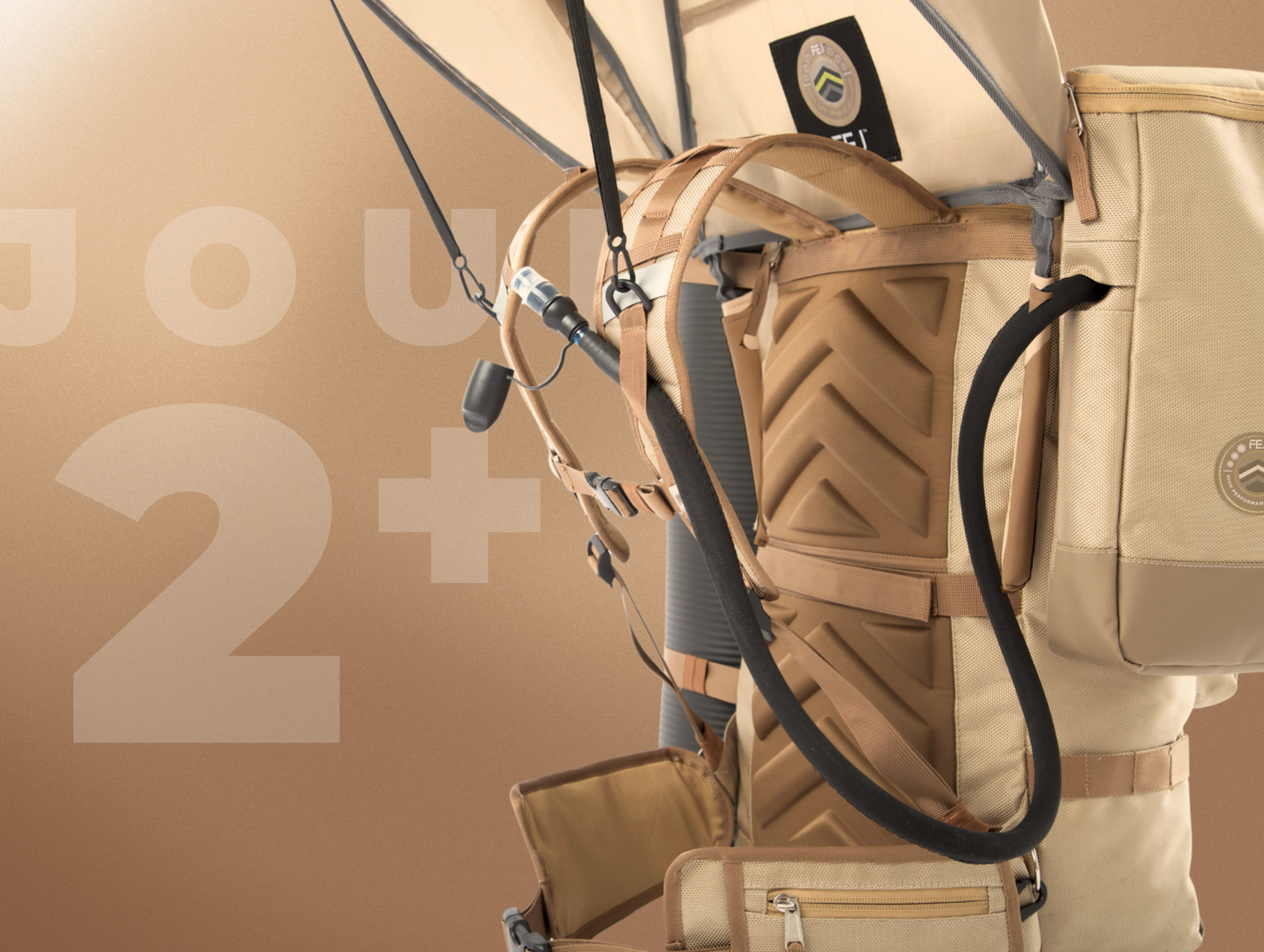

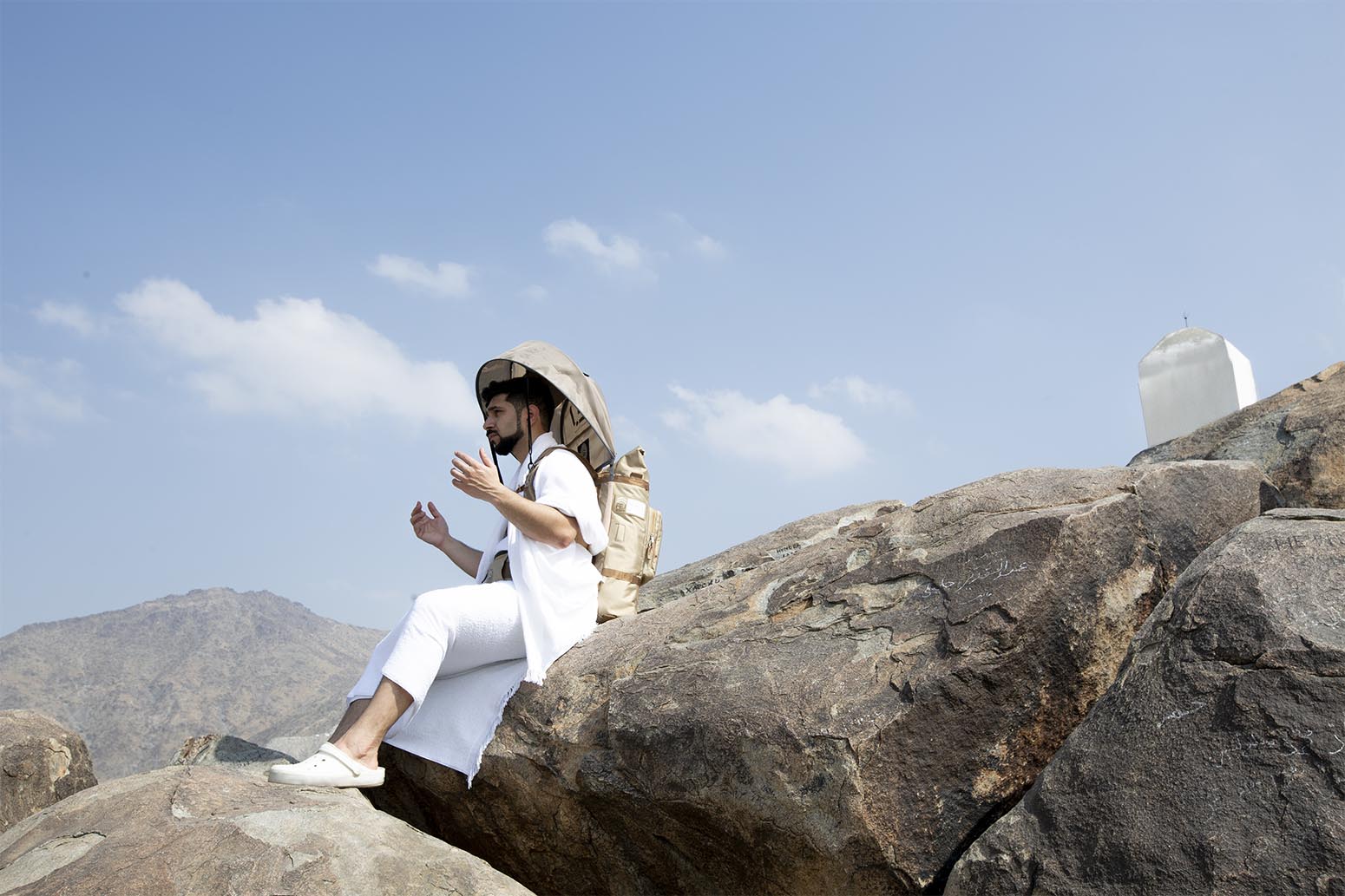

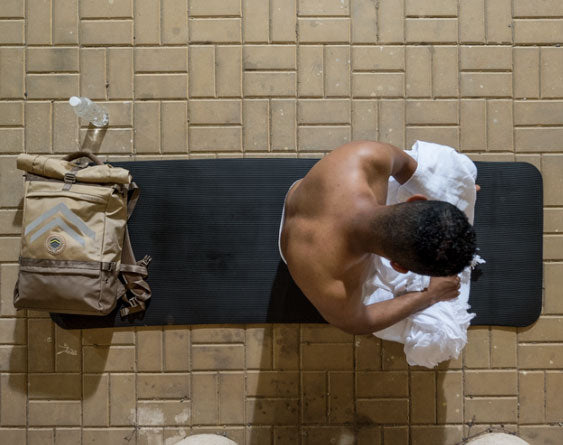
During Hajj, how you carry your essentials can significantly impact your comfort, safety, and ability to complete the rituals with focus and ease. Pilgrims spend long hours walking, standing, and moving through dense crowds, often with limited opportunities to rest or reorganize their belongings. A comfortable, well-balanced, and purpose-built carrying system reduces strain on the shoulders and back, keeps critical items easily accessible, and prevents unnecessary fatigue caused by shifting or poorly designed bags. When your essentials are secure, organized, and light on your body, you conserve energy for worship—allowing you to move confidently through each stage of Hajj without added hardship.
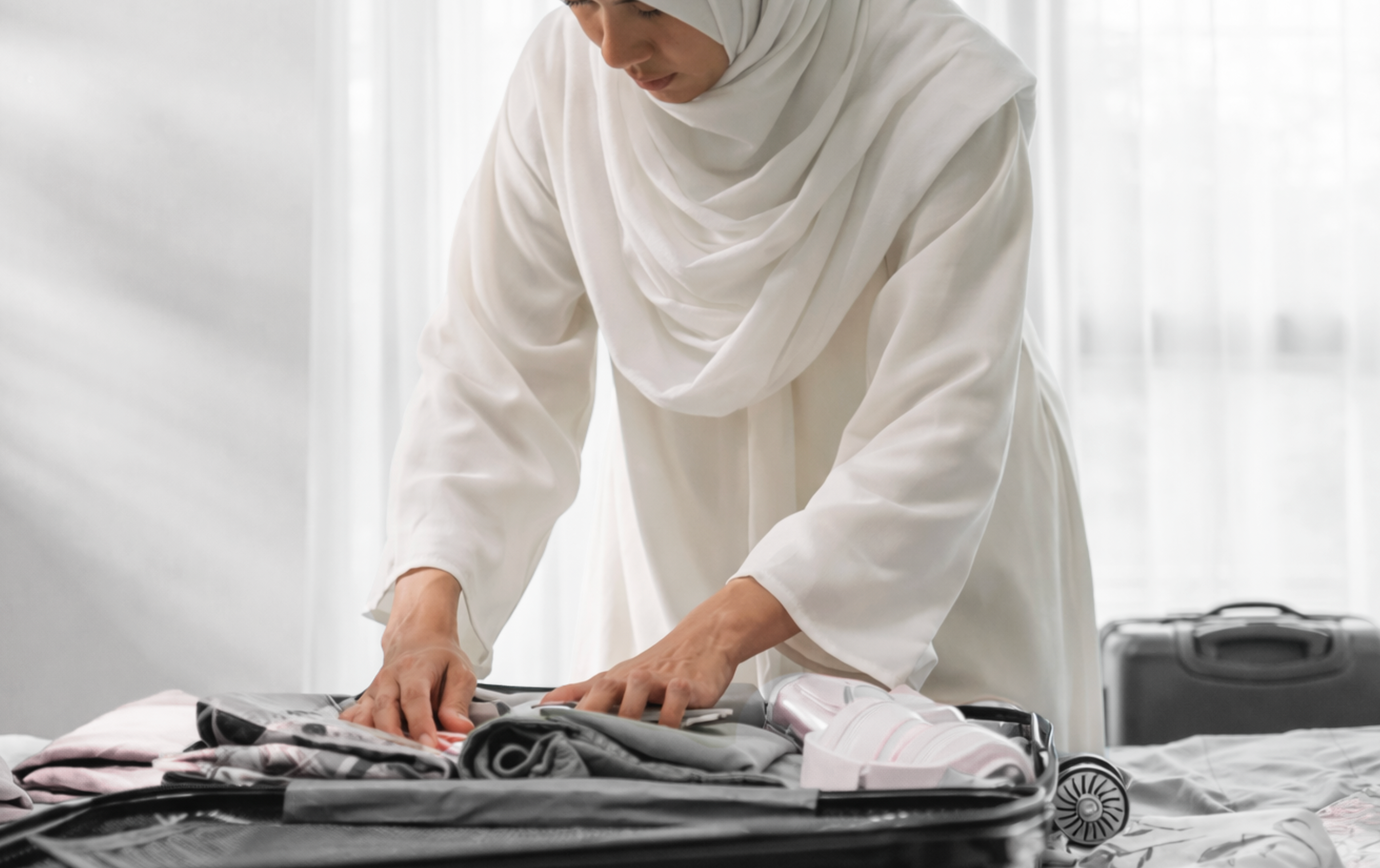
Your Ultimate Hajj Packing Checklist for Hajj 2026
ٱلْحَجُّ أَشْهُرٌۭ مَّعْلُومَـٰتٌۭ ۚ فَمَن فَرَضَ فِيهِنَّ ٱلْحَجَّ فَلَا رَفَثَ وَلَا فُسُوقَ وَلَا جِدَالَ فِى ٱلْحَجِّ ۗ وَمَا تَفْعَلُوا۟ مِنْ خَيْرٍۢ يَعْلَمْهُ ٱللَّهُ ۗ وَتَزَوَّدُوا۟ فَإِنَّ خَيْرَ ٱلزَّادِ ٱلتَّقْوَىٰ ۚ وَٱتَّقُونِ يَـٰٓأُو۟لِى ٱلْأَلْبَـٰبِ ١٩٧
˹Commitment to˺ pilgrimage is made in appointed months. Whoever commits to ˹performing˺ pilgrimage, let them stay away from intimate relations, foul language, and arguments during pilgrimage. Whatever good you do, Allah ˹fully˺ knows of it. Take ˹necessary˺ provisions ˹for the journey˺—surely the best provision is righteousness. And be mindful of Me, O people of reason! Q2:197
Hajj is unlike any other journey—physically demanding, spiritually profound, and logistically complex—making what you pack not just a matter of convenience, but a critical factor in your ability to perform each rite with focus, dignity, and peace of mind.
DOCUMENTS & ESSENTIALS
During Hajj, keeping your essential documents on you at all times is critical for safety, access, and mobility, as the pilgrimage is tightly regulated and involves constant movement through controlled zones. Pilgrims are frequently asked to present identification during transport boarding (buses or trains between Mina, Arafat, and Muzdalifah), entry into Mina camps or Kidana Towers, access checkpoints near the Haram and Jamarat, and medical treatment at clinics or hospitals. Documents are also required if a pilgrim becomes separated from their group, needs assistance from authorities, or must verify their Nusuk permit, accommodation assignment, or Hajj package status. Carrying your passport copy, Nusuk QR code, wristband, and group contact details in a secure, waterproof pouch ensures you can move freely, receive help quickly, and avoid unnecessary delays during one of the most crowded and logistically complex events in the world.
Keep these on your person at all times.
-
Passport + copies (paper + phone)
-
Hajj visa confirmation
-
Nusuk booking details
-
Flight itinerary
-
Hotel details
-
Vaccination certificates (Hajj-required)
-
Emergency Medical Card
-
Emergency contact list (paper copy)
-
Small cross-body pouch / travel belt to put it all in.
-
Local SIM / roaming plan
-
Fully Charged Power bank (10,000–20,000 mAh)
-
Universal plug adapter
-
Basic Saudi currency (small bills)
✅ Mistake first-timers make: putting documents in luggage instead of on-body. Keep your essential documents on your body in a safe place. Have physical copies in your luggage, and digital copies on your phone. Be sure you put your paper documents in a plastic Ziploc bag to protect them from sweat or possible water damage.
IHRAM & CLOTHING
Ihram clothing is a mandatory requirement for entering the state of Ihram during Hajj and Umrah, symbolizing equality, humility, and devotion before Allah. Men wear two plain, unstitched white garments—one wrapped around the waist (izar) and one draped over the upper body (rida)—with no seams, tailoring, or adornment, while women may wear modest, loose-fitting clothing of any color, avoiding face veils and gloves while in Ihram. Footwear is also regulated for men: Ihram-compliant sandals must leave the ankle bones exposed and keep the top of the foot largely uncovered, meaning no enclosed shoes, socks, or straps that cover the mid-foot. Proper Ihram clothing ensures the pilgrim’s rites are valid and helps maintain focus on the spiritual purpose of the pilgrimage rather than appearance or status.
For Men:
-
2 Ihram sets (lightweight, breathable)
-
Ihram belt with pouch
-
Slip-on sandals (Ihram Compliant)
-
Anti-chafing balm (critical)
-
Plain sleepwear for hotel
For Women:
-
Loose abayas (lightweight)
- Breezy Linen or Modal Under layer (Pants and Top)
-
Comfortable hijabs (breathable)
-
Socks (multiple pairs)
-
Sleepwear suitable for camps
For Everyone:
-
Lightweight undergarments
-
Compression socks (for circulation)
-
Foldable laundry bag
-
Travel clothesline or clips
✅ Mistake: A common mistake pilgrims make with ihram is wearing stitched or enclosed items—such as underwear, socks, closed shoes, or garments with seams, stitches or elastic tailoring—which can invalidate or violate their state of ihram without them realizing it. For men, hats, caps, turbans, or anything that sits directly on the head is also prohibited.
REQUIRED FOOTWEAR
Footwear can truly make or break your Hajj because pilgrims walk many miles over several days on hot pavement, uneven surfaces, ramps, and crowded pathways, often while exhausted and dehydrated. Poorly chosen sandals can cause blisters, arch pain, knee strain, heat burns, or slips, quickly turning worship into physical distress and limiting a pilgrim’s ability to complete rituals comfortably and on time. Ihram-compliant, well-broken-in footwear with proper cushioning, grip, and breathability helps preserve energy, prevent injury, and allows pilgrims to focus on their worship rather than enduring unnecessary pain.
Men's Footwear:
-
Should not cover the top of the feet
-
should not be higher than the ankle
-
A bag with a shoe compartment, or a small bag to carry shoes when not in use.
-
Exception: If for any reason you lose your sandals, you are permitted to wear a khuf (a traditional leather sock) as long as it is below the ankle.
Women's Footwear:
-
There are NO specific Ihram criteria for women's footwear
-
Focus on a well-fitted, breathable walking shoe of your choice
✅ Mistake: No matter how well you think you think the masjid is safe, do not leave your shoes unattended in the designated shoe areas. Carry them with you at all times. And be sure that they are well broken into, and that your feet are accustomed to walking in in the for long distances.
PERSONAL CARE & HEALTH
Maintaining personal hygiene during Hajj is not about comfort alone—it directly affects your health, stamina, and ability to complete rituals without interruption. Extreme heat, dense crowds, long walks, and shared accommodations significantly increase the risk of skin irritation, infections, dehydration, and fatigue. Having unscented, Ihram-compliant hygiene products, blister care, pain relief, and basic first-aid essentials allows you to address problems immediately, prevent minor issues from becoming major setbacks, and remain focused on worship rather than physical distress.
-
Unscented soap / wipes (Ihram-safe)
-
Unscented deodorant
-
Toothbrush + miswak
-
Travel towel (micro fibre, quick-dry)
-
Tissues & wet wipes
-
Hand sanitizer
-
Sunscreen (unscented)
-
Lip balm (unscented)
-
Small mirror
-
Nail clippers (Ihram rules compliant)
Health & First Aid:
-
Prescription medications (with copies)
-
Pain relievers
-
Electrolyte packets
-
Oral rehydration salts
-
Blister care (moleskin / bandages)
-
Heat rash cream
-
Motion sickness tablets
✅ Mistake: Assuming pharmacies will be easily accessible at all times.
HAJJ-SPECIFIC GEAR (THIS IS WHERE FIRST-TIMERS STRUGGLE)
-
Lightweight hands-free backpack (key)
-
Refillable water bottle
-
Cooling towel
-
Compact umbrella
-
Foldable prayer mat
-
Tasbeeh counter
-
Pocket Qur’an or app downloaded offline
-
Headlamp or small flashlight (Mina/Muzdalifah)
-
Earplugs (camp sleeping)
⚠️ Critical insight: Your bag will be carried for hours in heat. Comfort > capacity.
MINA, ARAFAT & MUZDALIFAH PREP
Mina, Arafah, and Muzdalifah are the most physically and logistically demanding stages of Hajj, with limited space, unpredictable movement times, and minimal access to supplies. Pilgrims often face sleep disruption, long periods of standing, night travel, and exposure to heat or cold, all while carrying their essentials with them. Preparing specifically for these days—by packing light, organizing documents, and planning for overnight stays—ensures you can move efficiently, rest when possible, and complete each rite without unnecessary hardship or confusion.
-
Small sleeping mat or inflatable pillow
-
Light blanket or shawl
-
Ziplock bags (dust/wet clothes)
-
Stones pouch (for Jamarat)
-
Extra socks & wipes
-
Backup power bank
-
Minimal food/snacks (as advised)
✅ Mistake: Assuming camps provide everything on time.
FOOD & HYDRATION SUPPORT
Dehydration and exhaustion are among the most common reasons pilgrims struggle during Hajj, especially during long days in Arafah and extended walking between sites. Water alone is often not enough; electrolytes help replace essential salts lost through sweating, while compact energy bars provide quick calories when meals are delayed or inaccessible. Having these on hand helps maintain strength, mental clarity, and physical stability during critical rituals when stopping for food or drinks may not be possible.
-
Energy bars / dates
-
Electrolyte drinks
-
Light snacks for long walks
-
Cooling water bottle
-
Personal cutlery (optional)
⚠️ Heat + dehydration = most hospital visits during Hajj.
TECHNOLOGY & COMMUNICATION
Technology plays a vital role in staying safe and organized during Hajj, where millions of pilgrims move simultaneously through controlled zones. A charged phone enables navigation, communication with group leaders, access to Nusuk permits, emergency contact, and real-time updates from authorities. Portable power banks, offline maps, and saved documents ensure you can reconnect with your group, receive help if separated, and adapt to schedule changes—making technology an essential tool, not a luxury, during the pilgrimage.
-
Smartphone + Local Sim Card
-
Offline maps & Dua'as downloaded
-
Extra charging cables
-
Powerbank
- Apple Air Tag (for all luggage, backpack and on your body)
✅ Mistake: Pilgrims often underestimate how quickly batteries drain due to heat, constant navigation, photos, and communication, leaving them without access to maps, group contacts, Nusuk permits, or emergency help at critical moments. So be sure to have a fully charged powerbank as a backup at all times. Powerbanks must be carried in your carry-on bags, not in your luggage. This is important as most airlines will remove powerbanks that are placed in the luggage because it is a fire hazard.
On a final note, Hajj is a journey of the heart, but it places real demands on the body and mind—packing wisely ensures those demands do not distract from the purpose of your pilgrimage, allowing you to move through each rite with clarity, resilience, and full devotion.
Read more

Contests & Giveaways
Take part in our Hajj-Ready Giveaway!
FEJ Gear is hosting a special Instagram giveaway to support pilgrims preparing for Hajj 2026. One confirmed Hajj pilgrim will receive a Journey 2+ Hajj Bundle, including an essential Hajj bag and p...
Read more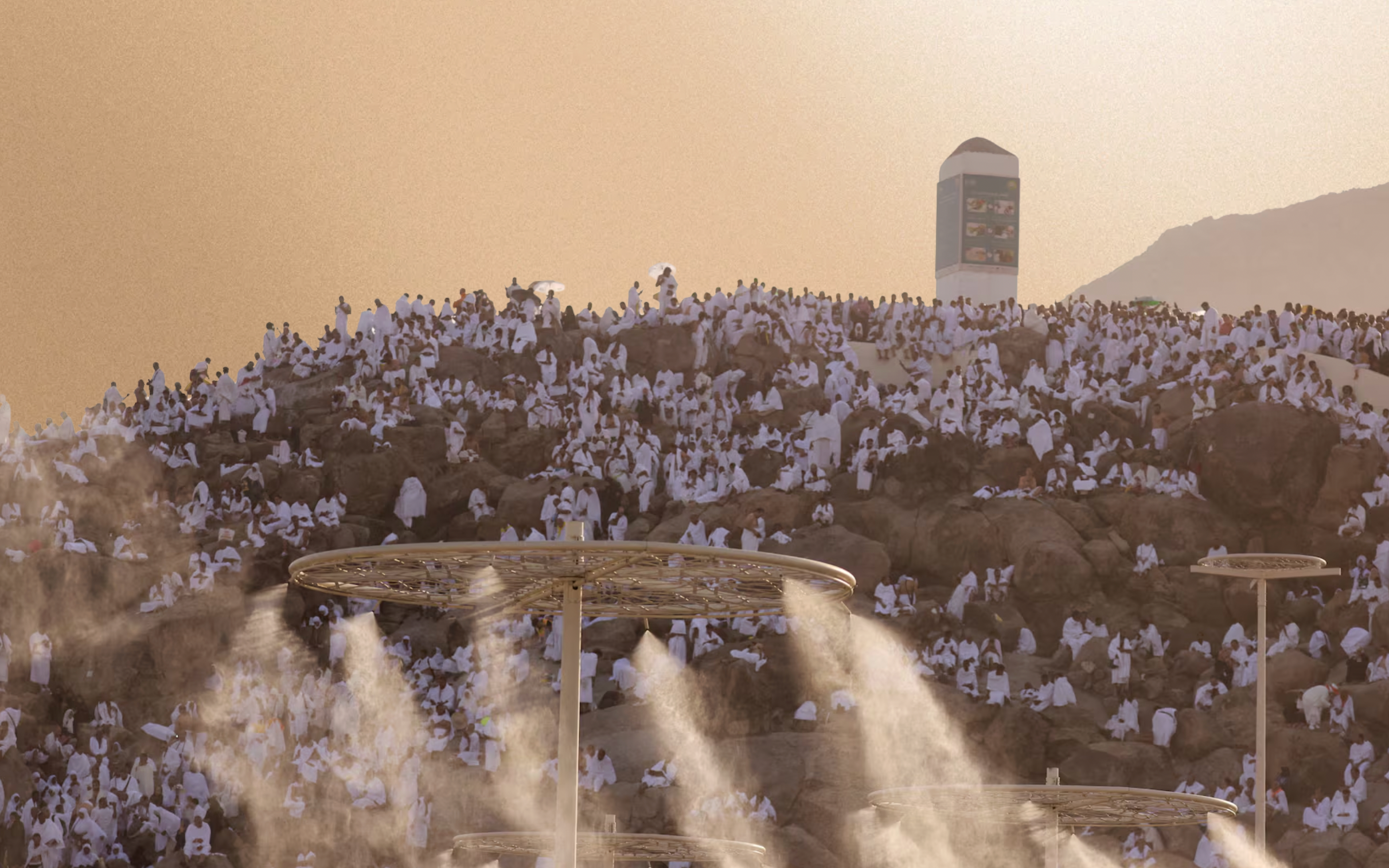
Heat Is the Real Test of Hajj - Here's How to Prepare for It
Heat exhaustion and dehydration are the leading causes of medical emergencies during Hajj, often more dangerous than crowds or physical fitness challenges. With pilgrims walking long distances in e...
Read more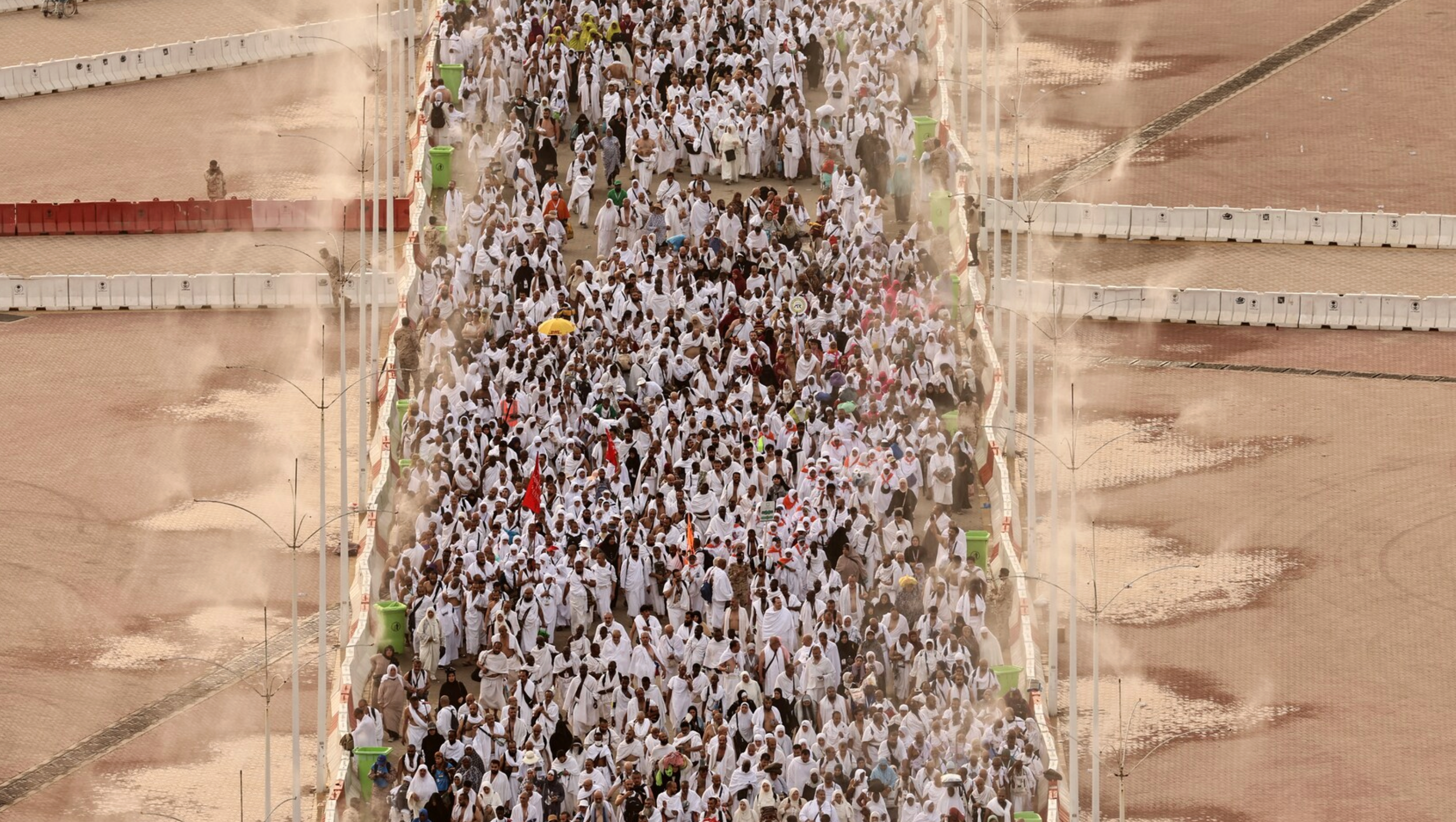

Leave a comment
This site is protected by hCaptcha and the hCaptcha Privacy Policy and Terms of Service apply.