


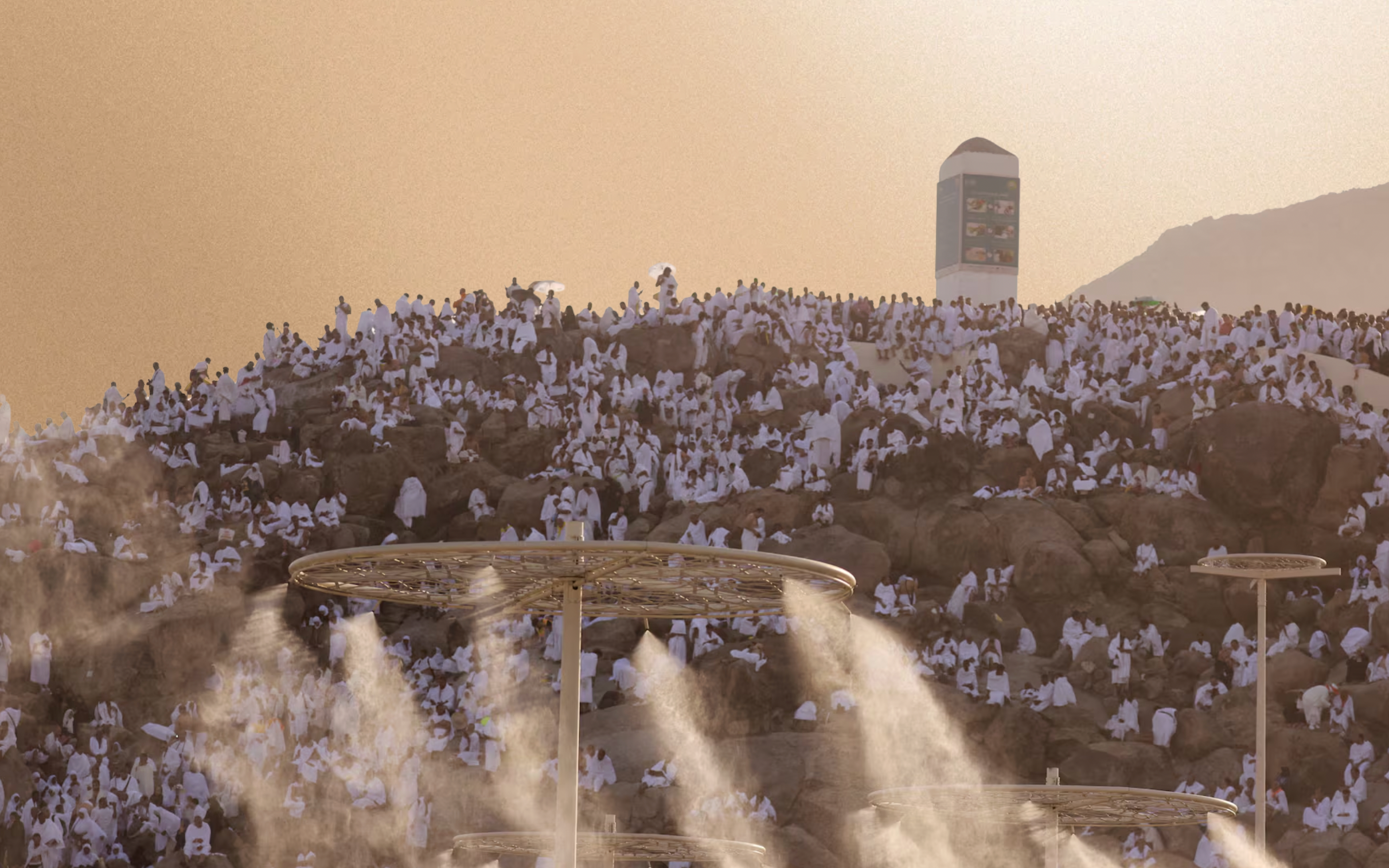
Heat Is the Real Test of Hajj - Here's How to Prepare for It
When people imagine the challenges of Hajj, they usually think of crowds. In reality, heat exhaustion and dehydration are the leading causes of medical emergencies during Hajj, not crowding or physical fitness.
Every year, thousands of pilgrims underestimate the effect of heat on the body—especially when combined with long walking distances, emotional focus, and disrupted sleep. The good news is that most heat-related incidents are preventable with the right preparation.
Why Heat Is So Dangerous During Hajj
During Hajj, pilgrims often walk 10–15 kilometers in a single day, sometimes under direct sun, sometimes at night, often while making duaa and being emotionally absorbed in the rituals. This creates a dangerous combination of factors that may come together in unpredictable ways:
-
Continuous movement
-
High temperatures and humidity
-
Heavy clothing
-
Inadequate hydration
-
Delayed rest
What makes heat exhaustion particularly risky is that its early symptoms are subtle and easy to ignore.
Early Warning Signs Most Pilgrims Miss
Heat exhaustion doesn’t always feel dramatic at first. It sets in slowly with early symptoms that includes:
-
Dizziness or lightheadedness
-
Headache
-
Nausea
-
Muscle cramps
-
Unusual fatigue
-
Confusion or irritability
Many pilgrims push through these signs, assuming they’re just “tired.” That’s often when heat exhaustion progresses into heat stroke, which is a medical emergency.
Hydration Is More Than Just Drinking Water
One of the biggest misconceptions is that drinking water alone is enough. In extreme heat, the body loses electrolytes—salts that regulate muscle function, heart rhythm, and hydration balance.
If you drink only water while sweating heavily, you may still become weak or dizzy.
Smart hydration includes:
-
Drinking small amounts frequently (not large amounts occasionally)
-
Using electrolyte packets or oral rehydration salts
-
Avoiding excessive caffeine
-
Monitoring urine colour (dark = dehydrated)
Clothing and Gear Can Make a HUGE Difference
Every journey requires its provision, and the Hajj is no exception. Given the diversity of Hajj packages, the experience can vary greatly depending on the package you choose. So it's important that you prepare accordingly.
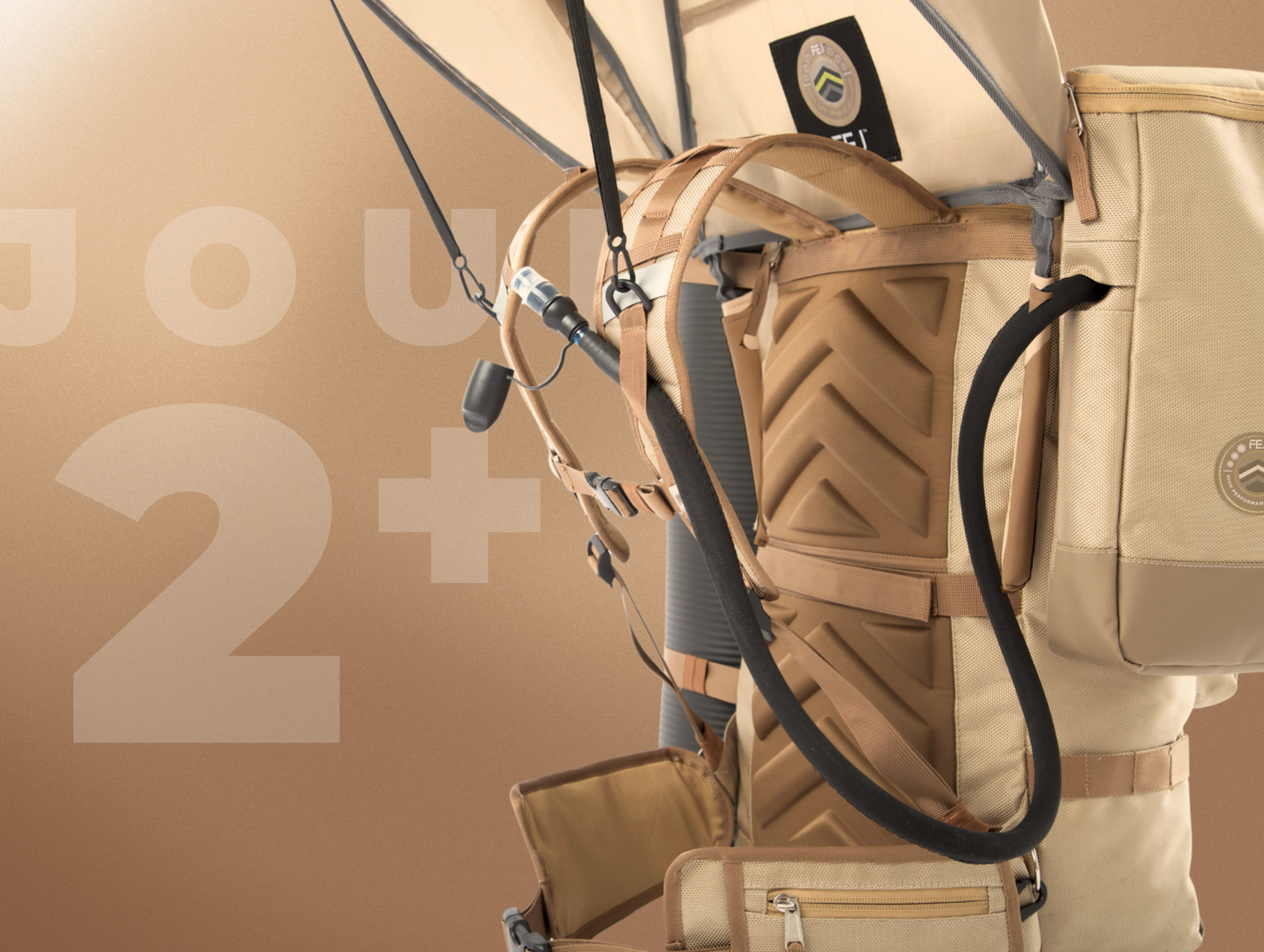
At FEJ Gear, our goal was to help pilgrims be able to carry their essentials in absolute comfort. Where a lot of backpacks are designed for various use-cases, ours is engineered to the specifications of Hajj and Makkah's harsh desert environment.
Key preparation tips:
-
Invest in quality and comfort, as the wrong products can make or break your Hajj
-
Pack only the essentials, and pack as light as possible
-
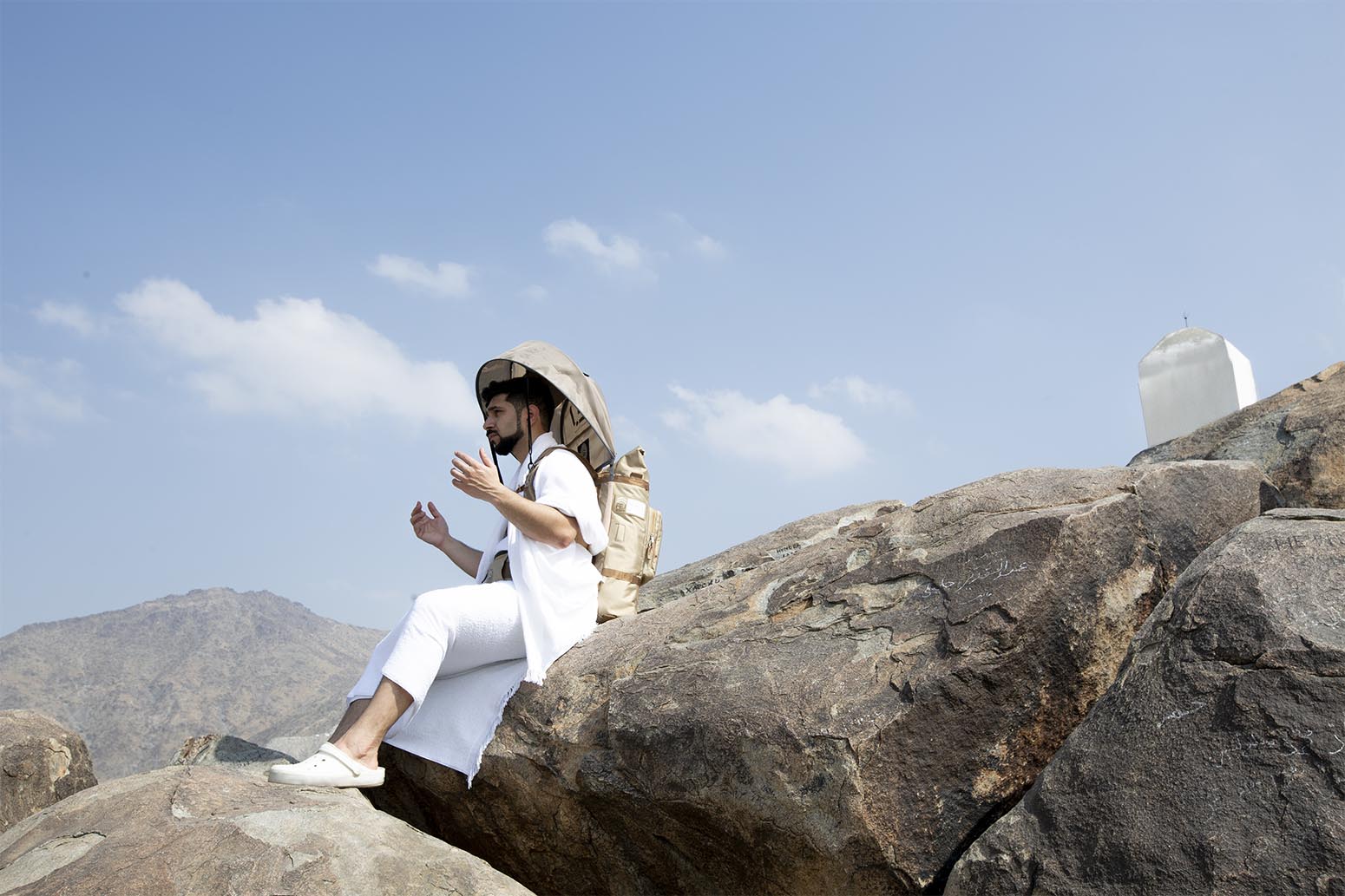
Use our Journey 2+ Kit for shade, hydration and carrying in comfort
-
Carry a hands-free water hydration system
-
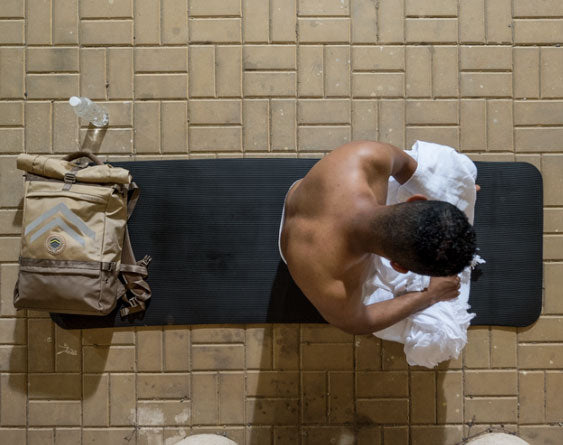
Use our resting mat to rest and relax anywhere, and for Muzdalifah
-
Use a cooling towel or damp cloth around the neck
-
Choose ultra-comfortable, broken-in footwear to avoid discomfort and injury
What sets apart our backpacks is that they are designed for the conditions of the Hajj pilgrimage, and help you carry your essentials in comfort, while securing your access to cooling hydration and shade.


Pace Yourself — Especially Early in the Day
Many pilgrims exhaust themselves during the first days of arrival to Makkah with excessive walking, shopping, or sightseeing. Unfortunately, the most spiritually significant rituals come later, when fatigue peaks.
Think of energy conservation as an act of worship:
-
Walk slower than you think you should
-
Rest whenever shade is available
-
Sit down before you feel exhausted
-
Do not skip meals unintentionally
Final Thought
Hajj is physically demanding by design—but unnecessary suffering is not part of the worship.
Preparing for heat is not about fear; it’s about preserving your strength, focus, and presence so you can perform the rites with calm and clarity.
Read more
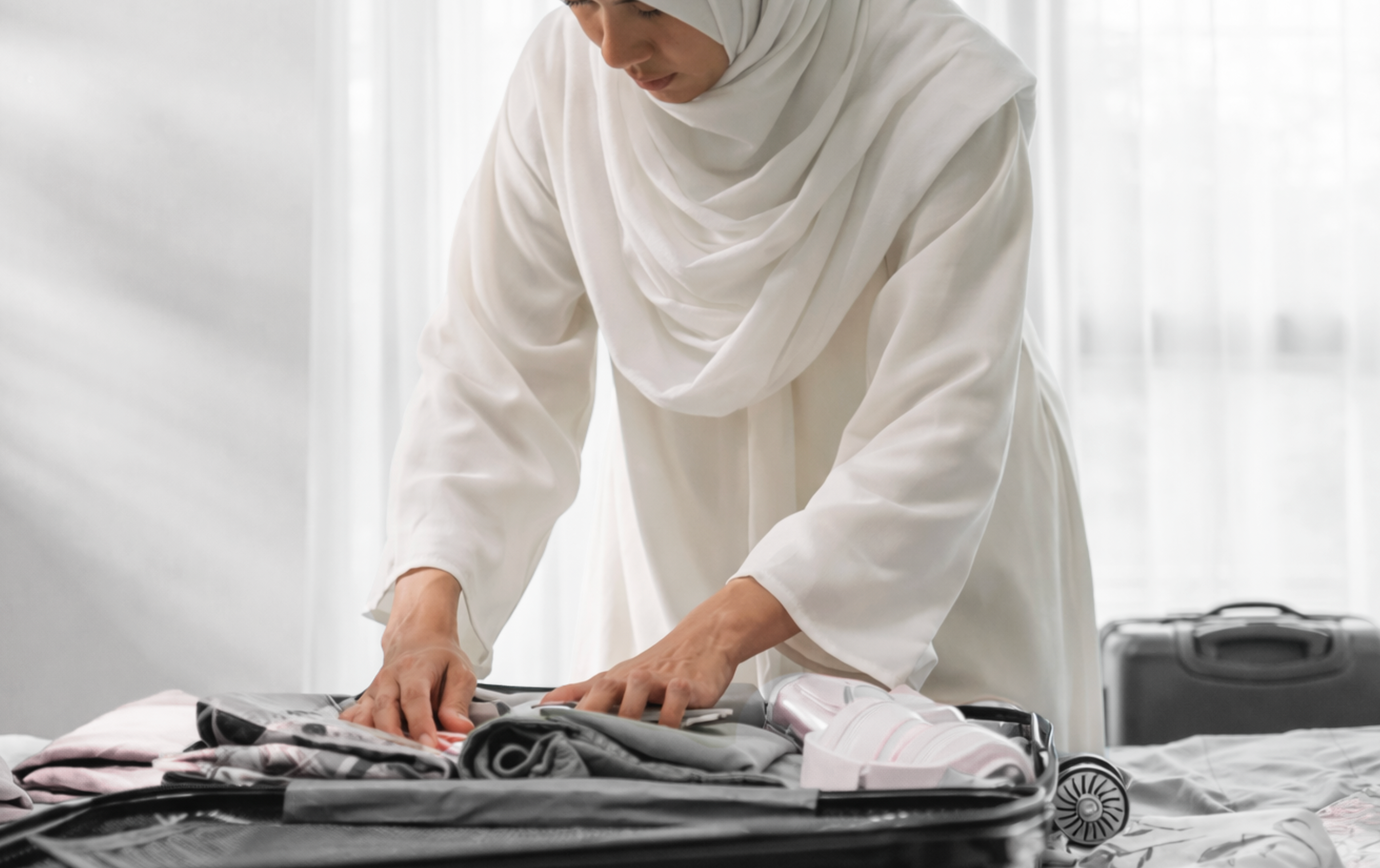
Your Ultimate Hajj Packing Checklist for Hajj 2026
ٱلْحَجُّ أَشْهُرٌۭ مَّعْلُومَـٰتٌۭ ۚ فَمَن فَرَضَ فِيهِنَّ ٱلْحَجَّ فَلَا رَفَثَ وَلَا فُسُوقَ وَلَا جِدَالَ فِى ٱلْحَجِّ ۗ وَمَا تَفْعَلُوا۟ مِنْ خَيْرٍۢ يَعْلَمْهُ ٱللَّهُ ۗ وَتَزَوَّدُوا۟ فَإِ...
Read more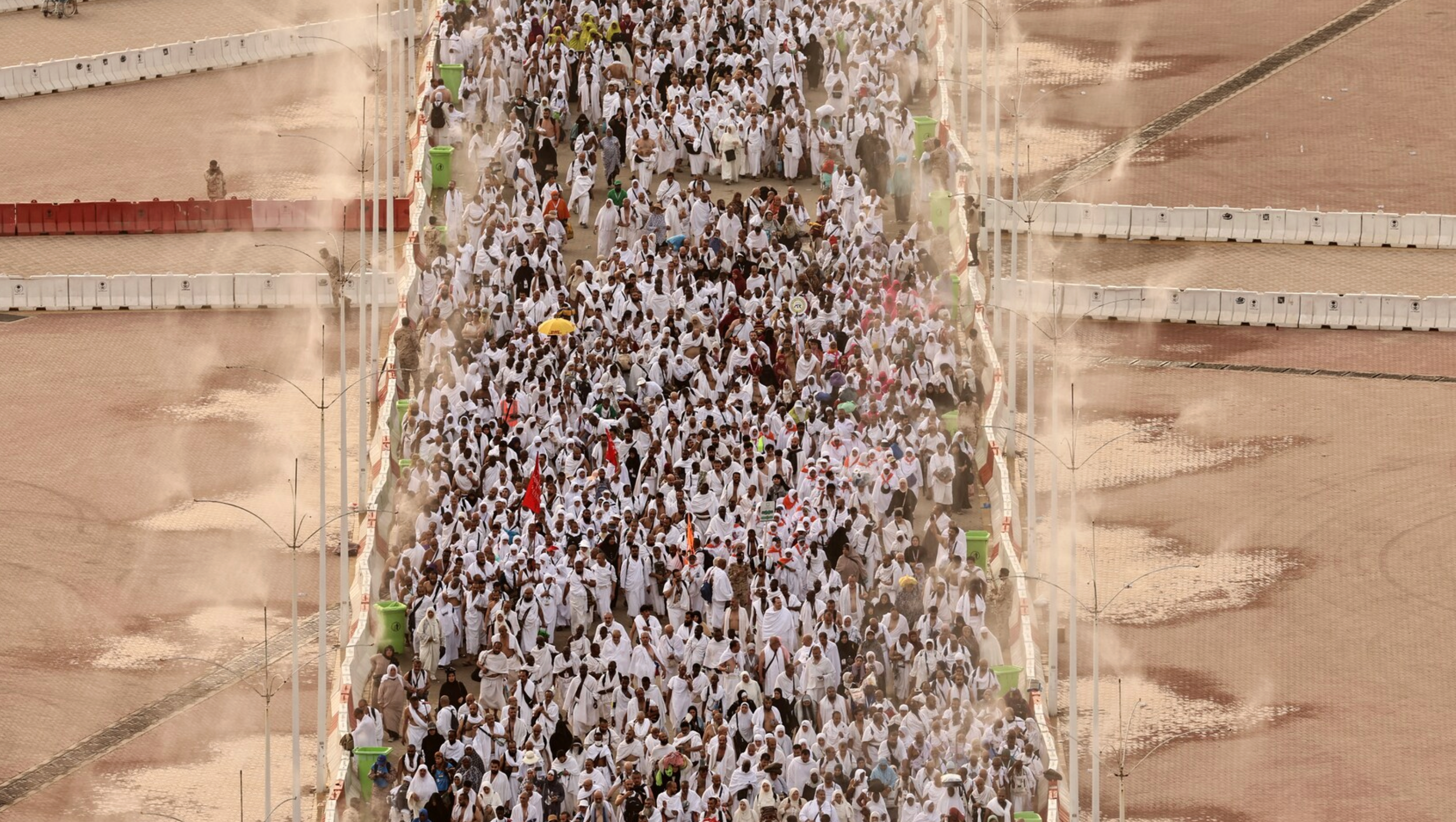
How to Physically Prepare for Walking 25 Kilometers+ in Hajj 2026
Hajj is one of the most spiritually transformative journeys a Muslim can undertake — but it is also physically demanding. This guide explains the real walking requirements of Hajj, where pilgrims m...
Read more
Leave a comment
This site is protected by hCaptcha and the hCaptcha Privacy Policy and Terms of Service apply.