



Article: How to Physically Prepare for Walking 25 Kilometers+ in Hajj 2026
How to Physically Prepare for Walking 25 Kilometers+ in Hajj 2026
Hajj is one of the most spiritually powerful journeys a person can take—but it is also physically demanding. Many pilgrims can underestimate the walking endurance required and overestimate what they can “push through” once they arrive.
The good news is this: you do not need to be athletic to prepare for Hajj. You need consistency, gradual progression, and the right expectations.
This short article outlines a safe, step-by-step walking-based training plan designed for people who are seeking to boost their fitness to meet the demands of Hajj.
Understanding the Physical Reality of Hajj
During Hajj, pilgrims may commonly walk:
-
10–15 km (6–9 miles) in a single day
-
Over multiple consecutive days
-
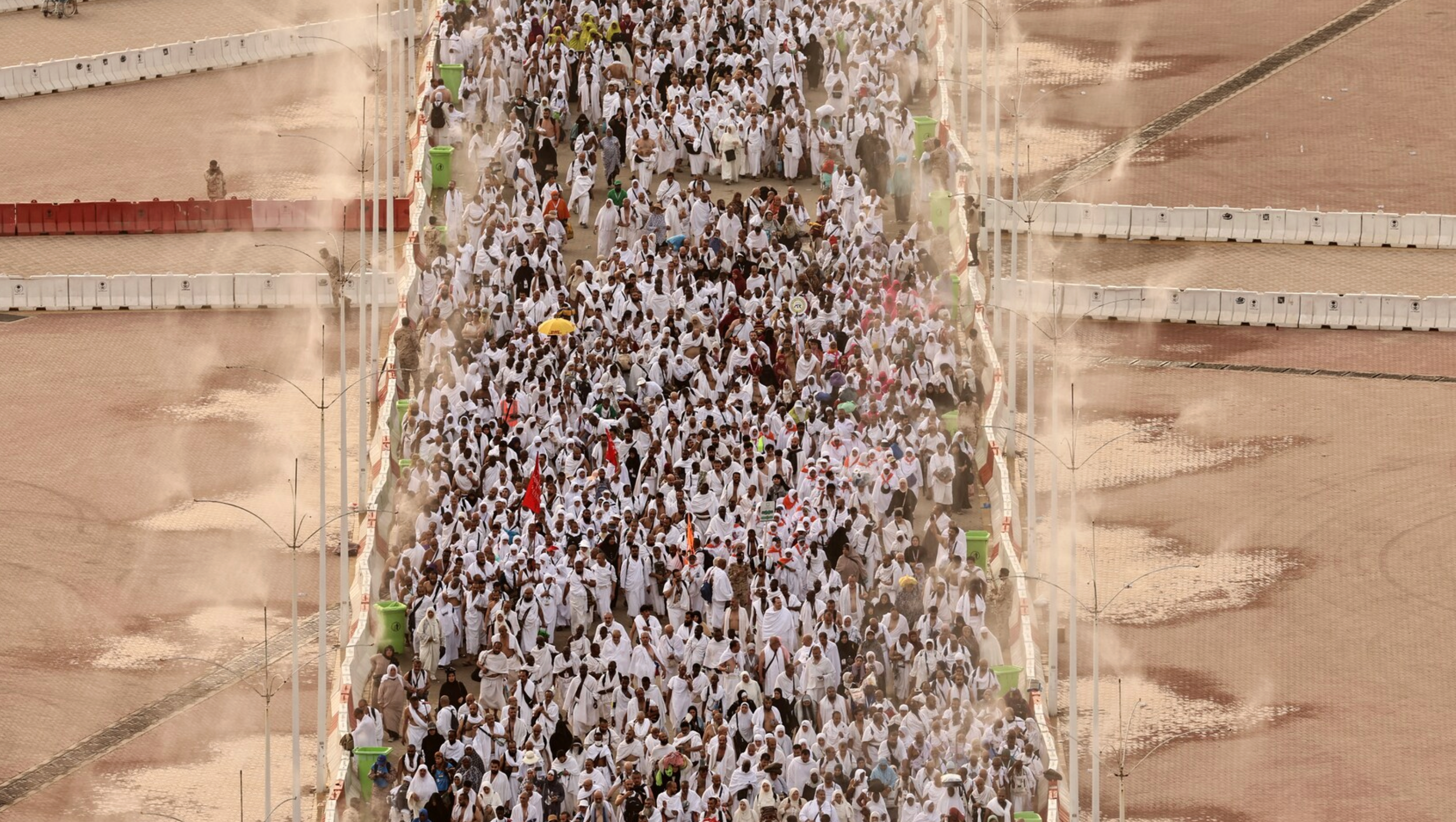
On mixed terrain (paved roads, marble floors, inclines)
-
In heat, crowds, and fatigue
If you are not accustomed to walking more than 2–3 km at a time, this will be a shock to the body unless you prepare by training for endurance.
But first, here's a Medical Disclaimer before starting this plan:
Consult your doctor, especially if you have heart issues, diabetes, joint problems, or high blood pressure
Ensure your footwear is supportive and broken in (ie, do not use new shoes for Hajj, without getting your feet used to them in advance).
Stop immediately if you experience chest pain, dizziness, or severe joint pain
The Core Principle: Train Your Feet First
For Hajj, walking endurance matters more than speed, strength, or weight loss.
Your goal is simple: Be able to walk 10–12 km comfortably, at a steady pace, without needing long recovery time.
The 8-Week Walking Training Plan
Weeks 1–2: Rebuild the Habit
Goal: Wake up dormant muscles and joints
-
Walk 20–30 minutes, 5 days per week
-
Pace: Comfortable, conversational
-
Choose flat terrain and a continuous path
-
Focus on posture and relaxed breathing
Optional:
-
Incorporate gentle stretching after walks
-
Try light ankle and calf mobility exercises
**If you miss a day, do not “make up” distance—just continue.
Weeks 3–4: Increase Duration
Goal: Build basic endurance
-
Walk 40–45 minutes, 5 days per week
-
One walk per week extended to 60 minutes
-
Begin using the same footwear you plan to take to Hajj
Add:
-
Short hills or slight inclines once or twice a week
-
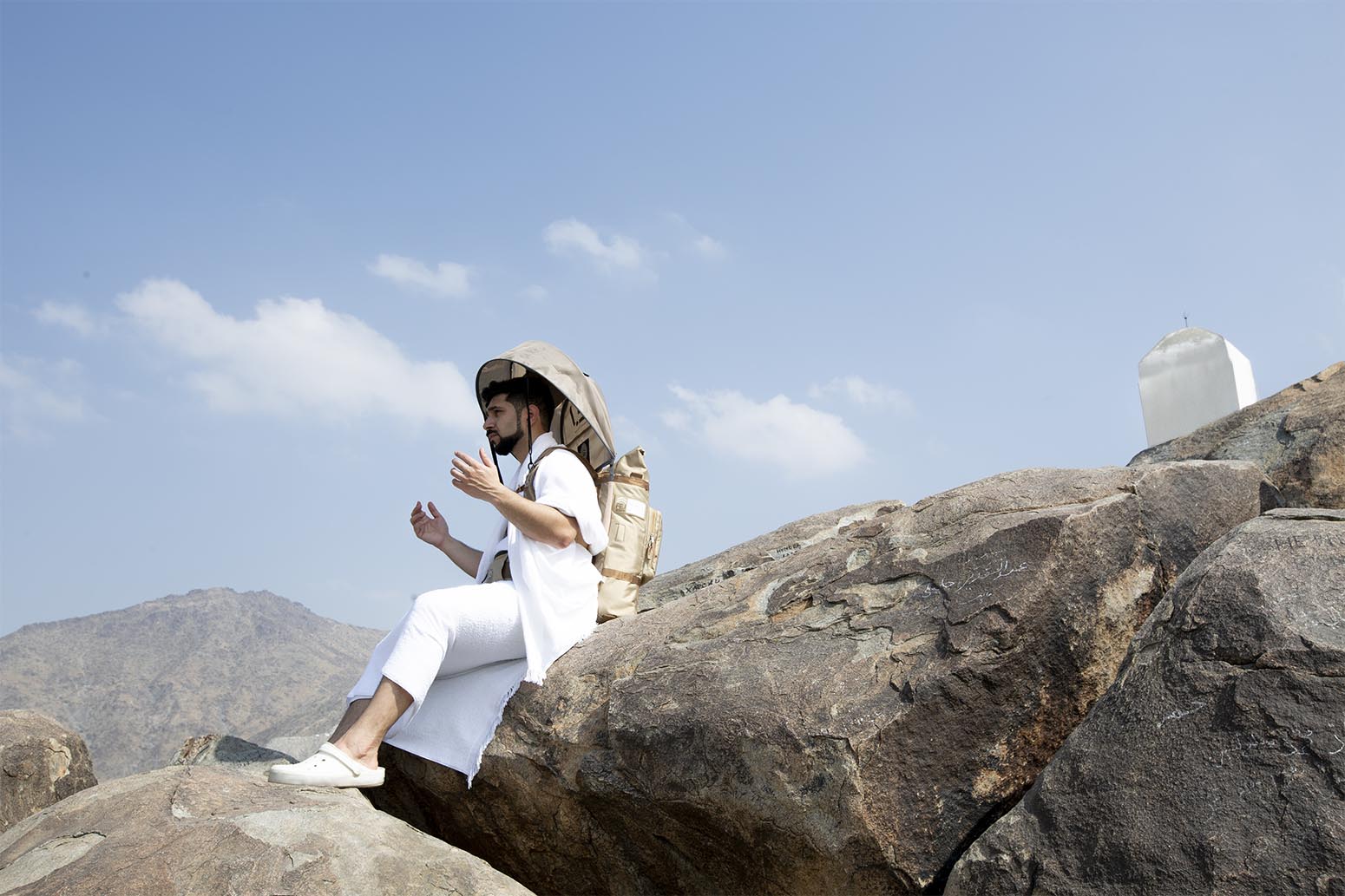
Light backpack (2–3 kg) on one walk
Weeks 5–6: Simulate Hajj Conditions
Goal: Train fatigue resistance
-
Walk 60–75 minutes, 5 days per week
-
One long walk of 90 minutes (7–8 km)
-
Wear a small backpack (water + essentials)
-
Walk during warmer parts of the day if safe
Practice:
-
Drinking small amounts of water while walking
-
Brief rest breaks (2–3 minutes only)
Weeks 7–8: Peak Preparation
Goal: Confidence and consistency
-
Walk 8–10 km, 2–3 times per week
-
Add two additional shorter walks (30–45 minutes)
-
Back-to-back walking days (to simulate Hajj fatigue)
By the end of Week 8, you should be able to:
-
Walk 10 km without foot pain
-
Recover by the next day
-
Walk again without stiffness
Foot Care Is Non-Negotiable
Most Hajj injuries are foot-related, not heart-related.
You must:
-
Break in footwear weeks in advance
-
Use moisture-wicking socks (for women, as they are not allowed for men in the state of Ihram).
-
Learn blister prevention techniques (tape, balm, padding)
-
Strengthen calves and ankles with gentle exercises
- Include foot care and injury essentials in your Hajj first aid kit
Strength & Mobility (Optional but Helpful)
2–3 times per week:
-
Bodyweight squats (2×10)
-
Calf raises (2×15)
-
Step-ups on stairs (2 x 20)
-
Gentle stretching for hips, calves, hamstrings
This reduces joint strain during long walks.
Mental Preparation Matters Too
Hajj walking is:
-
Slow
-
Interrupted
-
Crowded
-
Emotionally charged
Training your patience is part of training your body. Walk without rushing. Learn to conserve energy. Finishing strong matters more than starting strong.
Final Advice
You are not training to be fast. You are training to be steady, resilient, and present.
A pilgrim who prepares their body beforehand:
-
Suffers less
-
Focuses more
-
Worships with greater clarity
Walking is not a barrier to Hajj—it is part of the journey. Prepare for it with intention, and Allah (SWT) will make it easy for you Insha'Allah.
Read more

Heat Is the Real Test of Hajj - Here's How to Prepare for It
Heat exhaustion and dehydration are the leading causes of medical emergencies during Hajj, often more dangerous than crowds or physical fitness challenges. With pilgrims walking long distances in e...
Read more

Leave a comment
This site is protected by hCaptcha and the hCaptcha Privacy Policy and Terms of Service apply.