



16 Rules of Ihram for Men
الْحَجُّ أَشْهُرٌ مَّعْلُومَاتٌ ۚ فَمَن فَرَضَ فِيهِنَّ الْحَجَّ فَلَا رَفَثَ وَلَا فُسُوقَ وَلَا جِدَالَ فِي الْحَجِّ ۗ وَمَا تَفْعَلُوا مِنْ خَيْرٍ يَعْلَمْهُ اللَّهُ ۗ وَتَزَوَّدُوا فَإِنَّ خَيْرَ الزَّادِ التَّقْوَىٰ ۚ وَاتَّقُونِ يَا أُولِي الْأَلْبَابِ - (Quran 2:197)
Commitment to pilgrimage is made in appointed months. Whoever commits to performing pilgrimage, let them stay away from intimate relations, foul language, and arguments during pilgrimage. Whatever good you do, Allah fully knows of it. Take necessary provisions for the journey—surely the best provision is righteousness. And be mindful of Me, O people of reason! (Quran 2:197)
Entering Ihram is one of the most important steps in beginning your Hajj or Umrah. It is more than a change of clothing—Ihram is a spiritual state of humility, discipline, and complete focus on Allah. Ihram represents a state of purity that aligns in the mind, body and spirit. Derived from the Arabic word for that which is forbidden, harama ( حرم), being in a state of Ihram means that one is governed by a number of key prohibitions. This article will provide a general overview of these prohibitions as they apply to men.
The 16 essential rules of Ihram for men, explained clearly and practically:
1. Wearing Two Unstitched Garments
Men must wear two simple white cloths:
-
Izar – the lower wrap
-
Rida – the upper wrap
These garments cannot be dyed, tailored or form-fitting. They cannot have stitching, or be stitched together. These are the only two things that all men must wear. Underwear, socks, trousers or hats are all strictly prohibited in this state. Be mindful to ensure that the Ihram cloths are thick enough to be transparent or reveal the body's shape.
2. Making the Intention (Niyyah)
Ihram formally begins when you make your intention at one of the five Miqat boundaries. Wearing the garments beforehand does not place you in Ihram until the intention is complete. Below is a map of the five miqats. If you are flying in to the Kingdom, the airlines will let you know when you are flying over the miqat, entering the Haram territory. 
A pilgrim must enter the state of Ihram before crossing their designated Miqat boundary. If someone passes the Miqat without making the intention to enter into the state of Ihram, a compensatory penalty becomes required, though the Hajj or Umrah itself remains valid.
In terms of scholarly guidance, the Hanafi tradition considers it preferable to begin the journey in Ihram directly from one’s home. The Maliki and Hanbali schools, however, emphasize the virtue of assuming Ihram shortly before reaching the Miqat.
3. Avoiding Perfume or Scented Products
After entering Ihram, men cannot apply:
-
Perfume or attar
-
Scented lotions or creams
-
Scented soaps or deodorants
Pilgrims can stay in a state of Ihram for 5 to 6 days, and using effective products that don't have fragrances can be difficult to do for a number of reasons, mainly the difficulty in finding them in stores during Hajj. It is critical to prepare these items in advance.

4. Not Cutting Hair
While in Ihram, men cannot trim, shave, or pluck hair from any part of the body—even accidentally if possible. If this is done in the state of Ihram, a fidyah must be paid. The fidyah is a form of compensation offered when a required action is missed or when a rule of Ihram is unintentionally violated. It is not a punishment, but rather a restorative act—an opportunity to correct the oversight and reaffirm your commitment to the pilgrimage and the Sunnah of the Prophet ﷺ.
5. Not Cutting Nails
Fingernails and toenails may not be trimmed or filed during Ihram. That said, the nails should be trimmed before entering into Ihram.
6. Avoiding Stitched, Fitted Clothing
This rule refers to fitted garments. Men cannot wear items such as:
-
Underwear
-
T-shirts
-
Pants
-
Socks
-
Gloves
Ihram garments must remain loose, unshaped, and unstitched.
7. Not Covering the Head
Men cannot cover their heads with anything that touches the head directly such as kufis, hats, or turbans.
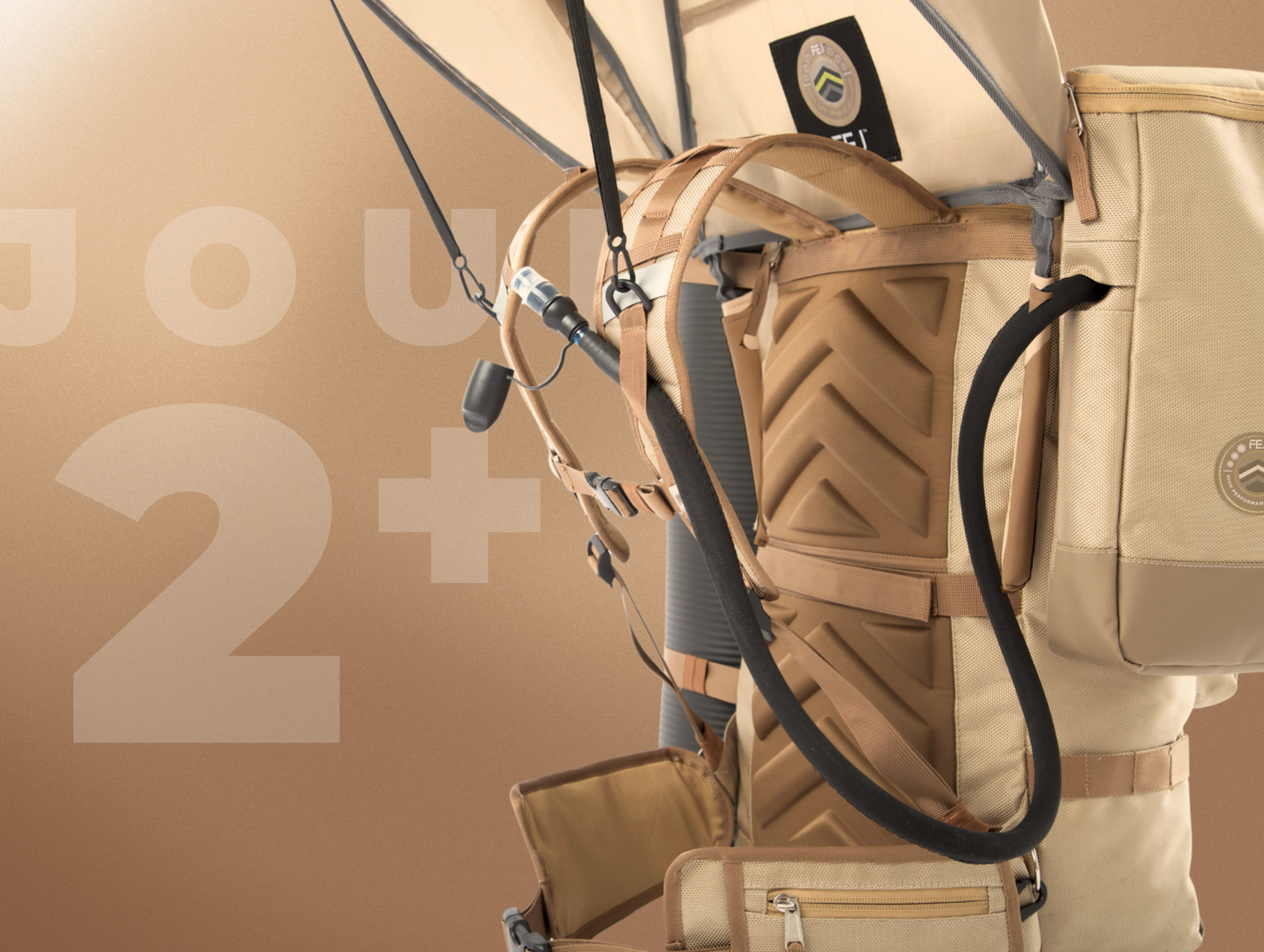
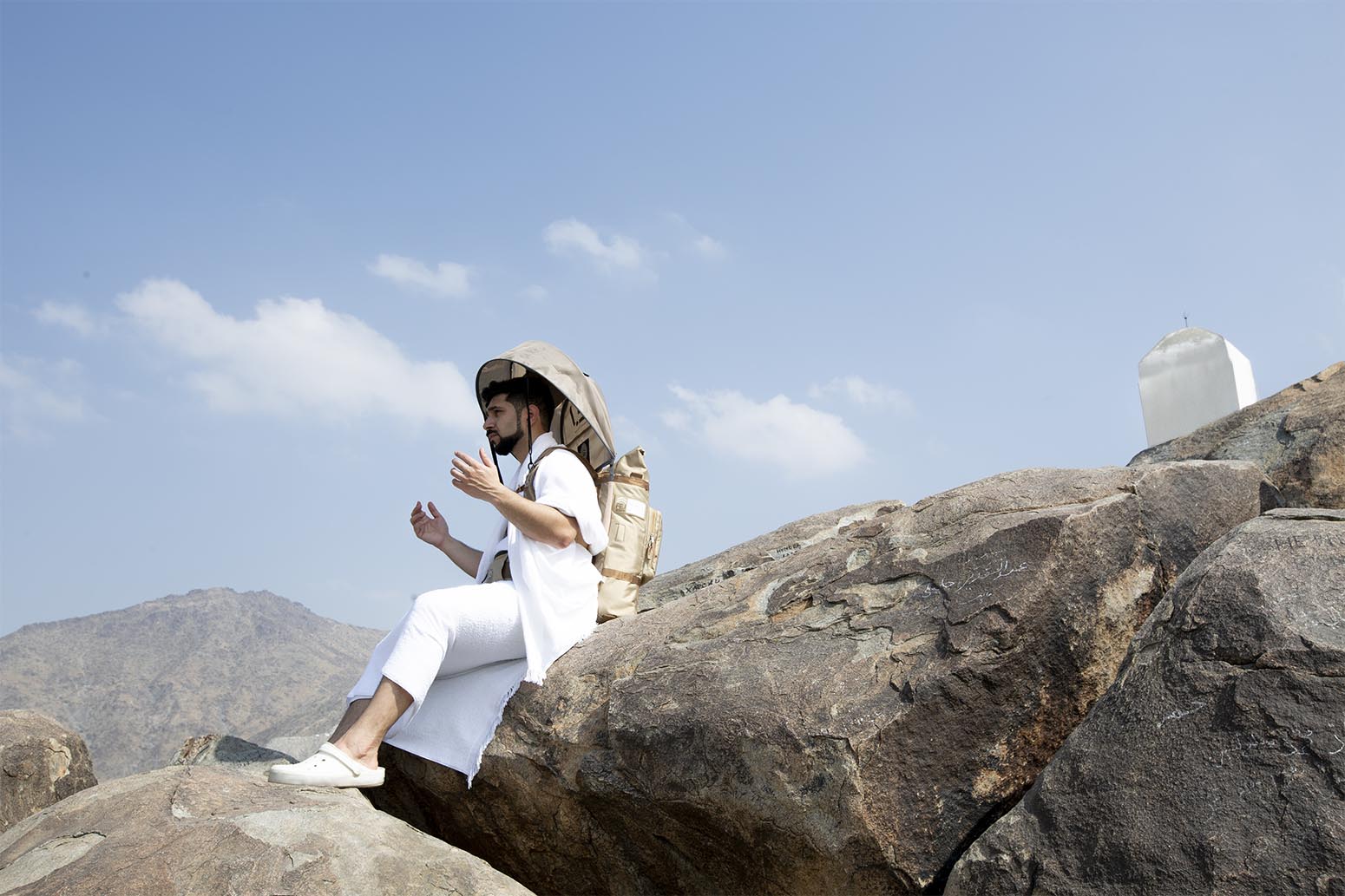
However, shaded coverings like FEJ Gear's solar visor or vehicle roofs are allowed.
8. Not Wearing Footwear That Covers the Ankles
Ihram allows sandals that leave the ankles and heels exposed. Enclosed shoes, boots, or footwear that wraps the heel or ankle are not permitted.
9. No Intimate Relations
Sexual relations of any kind—including foreplay or explicit behavior—are prohibited in Ihram.
10. Avoiding Marriage Contracts
Men in Ihram cannot propose marriage, accept a proposal, or perform a marriage contract for others.
11. No Hunting of Land Animals
Men cannot hunt, kill, or assist in hunting land animals.
Seafood remains permissible.
12. Not Harming Animals
Pilgrims should not intentionally kill insects or small animals unless they pose harm, such as snakes or scorpions.
13. Maintaining Proper Conduct
Ihram requires maintaining good character by avoiding:
-
Arguments
-
Insults
-
Harsh words
-
Selfish behavior
-
Conflicts with others
Spiritual discipline is a core part of being in the state of Ihram.
14. Avoiding Form-Fitting Items
Men cannot wear items that function like clothing, such as:
-
Compression sleeves
-
Tight straps
-
Thick body-wrap belts
Ihram-safe belts and pouches are allowed if they do not wrap or shape the body like clothing.
15. Avoiding Excessive Grooming
Bathing is allowed, but men should avoid actions that may remove hair or apply fragrance, such as:
-
Using scented soaps
-
Vigorously rubbing with towels
-
Using perfumed toothpaste
Unscented hygiene products are strongly recommended.
16. Keeping the Right Shoulder Covered Except During Tawaf al-Qudum
The right shoulder is exposed only during the Tawaf of Arrival (Idtiba’). Outside of this ritual, the shoulder must remain covered.
Read more
THE JOURNEY II - MADE FOR THE HAJJ
* This post was originally published on November 5, 2017* As an avid traveller, there’s nowhere I would go without a reliable backpack.In many ways, the backpack is an extension of my own body. ...
Read more
Why Tariffs Have Affected FEJ Gear Pricing — And What It Means for You
Discover why recent U.S. import tariffs have impacted FEJ Gear’s pricing and how we’re maintaining the highest standards in Hajj and Umrah gear. Learn how tariff changes affect material costs, prod...
Read more

Leave a comment
This site is protected by hCaptcha and the hCaptcha Privacy Policy and Terms of Service apply.